Orthopedist-physiotherapist collaboration



Medical rehabilitation involves more than pain reduction. For most patients, the real objective is returning to safe, controlled, and sustainable movement. At Centrokinetic, this process is based on constant collaboration between the orthopedic doctor and the kinesiotherapist. The team works in coordination, relying on clear information and recommended tests, so that every step has medical and functional justification. Throughout the process, the patient receives clear explanations about the next steps and the criteria used to evaluate progress, ensuring that recovery remains predictable and well controlled. Here are more details!
The roles of the orthopedic doctor and the kinesiotherapist at Centrokinetic
Within Centrokinetic, responsibilities remain clearly defined, and collaboration is based on respecting each specialist’s competencies. The orthopedic doctor is responsible for medical evaluation. They analyze the patient’s history, perform the clinical examination, recommend imaging investigations, and establish the diagnosis. Depending on the case, the specialist may propose conservative treatment, minimally invasive procedures, or surgery [1]. More details about this approach can be found on the page dedicated to Centrokinetic orthopedic services. The orthopedic doctor may also recommend consultation with a medical rehabilitation specialist, who will define the exact recovery protocol according to the patient’s needs.
The kinesiotherapist evaluates how the body moves in practice. They observe possible limitations, compensations, and movement patterns that may maintain pain. Based on medical recommendations, the kinesiotherapist builds an exercise program adapted to the patient’s level. The kinesiotherapy specialist does not establish medical diagnoses and does not recommend invasive treatments [2]. The orthopedic doctor does not coordinate daily recovery sessions. Optimal results appear when the two specialists collaborate constantly and align their decisions.
Why does collaboration between these specialists improve patient outcomes?
In most cases, recovery without clear coordination can lead to various problems:
- pain decreases temporarily and then returns;
- mobility remains limited;
- recurrent episodes of inflammation occur.
Collaboration between specialists reduces these risks. The orthopedic doctor correlates MRI or ultrasound findings with the patient’s symptoms, while the kinesiotherapist coordinates movement therapy and provides rapid feedback. If an exercise causes pain or discomfort, the team adjusts the plan without delay [1][2].
How does collaboration work in practice, step by step?
The patient’s journey remains simple and easy to follow. For clarity, the stages are as follows:
- orthopedic consultation and diagnosis establishment;
- additional investigations, if required;
- development of a recovery plan discussed within the team;
- kinesiotherapy sessions with constant monitoring;
- periodic re-evaluations and exercise adjustments.
Internal communication eliminates unnecessary movement between offices. The patient receives coherent recommendations and understands the objectives at each stage.
Common situations where teamwork brings clear benefits
There are conditions where coordination between specialties provides evident benefits:
- knee pain requiring specific exercises depending on diagnosis;
- postoperative recovery;
- sports injuries with gradual return to effort;
- herniated disc, approached progressively without rushing into surgery [3].
Risks, limits, and precautions
Even with a well-coordinated team, there are situations that require caution:
- acute inflammation may require a temporary pause;
- some conditions require surgical intervention;
- incorrectly performed exercises may worsen the injury.
For stable results, discuss any new symptoms with the Centrokinetic specialists. They are prepared to answer your questions and adjust the recovery plan to help you achieve optimal results [3].
How can you support collaboration with the Centrokinetic team?
The patient plays an active role in recovery. Here are some practical recommendations:
- clearly describe the pain and when it occurs;
- ask which movements should be temporarily avoided;
- report any changes that appear between sessions;
- respect the established stages, even if you feel better.
Accurate information helps the team adjust the plan without unnecessary risks.
Frequently asked questions
Can you start kinesiotherapy without an orthopedic consultation?
An initial medical evaluation is recommended to establish an accurate diagnosis and the necessary treatment measures.
Can the kinesiotherapist recommend injections?
No. Only the orthopedic doctor decides and performs such procedures.
How often do Centrokinetic specialists communicate with each other?
Communication takes place during re-evaluations and whenever changes in progress occur.
Is recovery without surgery possible?
In certain conditions, yes. The decision belongs to the physician, based on the individual situation and response to treatment.
Therefore, at Centrokinetic, collaboration between the orthopedic doctor and the kinesiotherapist is based on accurate diagnosis, supervised movement, and constant communication. This approach provides the patient with clarity, safety, and a plan adapted to their progress. If you are experiencing pain or movement limitations, schedule an evaluation and openly discuss your options with the team.
Disclaimer: This material is for informational and educational purposes and does not replace specialist medical consultation. The information presented does not constitute personalized diagnostic or treatment recommendations. For accurate diagnosis and an adapted recovery plan, evaluation by a specialist physician and/or an authorized kinesiotherapist is required.
Sources:
[1] Altomara, Deanna. “Orthopedic Doctor: What They Do and When to See One.” WebMD, 18 Dec. 2020.
[2] “What Does a Kinesiotherapist Do? Career Overview, Roles, Jobs | AST.” American Society of Transplantation, 2026.
[3] Hitzig, Sander L, et al. “Understanding the Role of the Physiatrist and How to Improve the Continuum of Care for Trauma Patients: A Qualitative Study.” Disability and Rehabilitation, vol. 43, no. 20, 4 Feb. 2020, pp. 2846–2853, www.verywellhealth.com/what-s-the-difference-between-physical-rehabilitation-and-physical-therapy-5192732, .
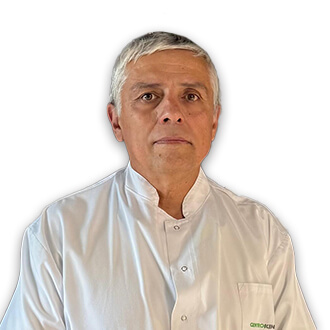
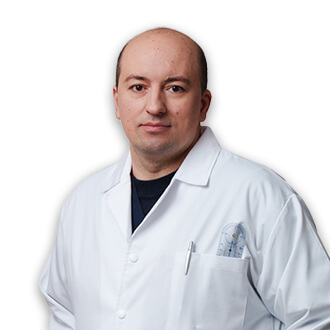
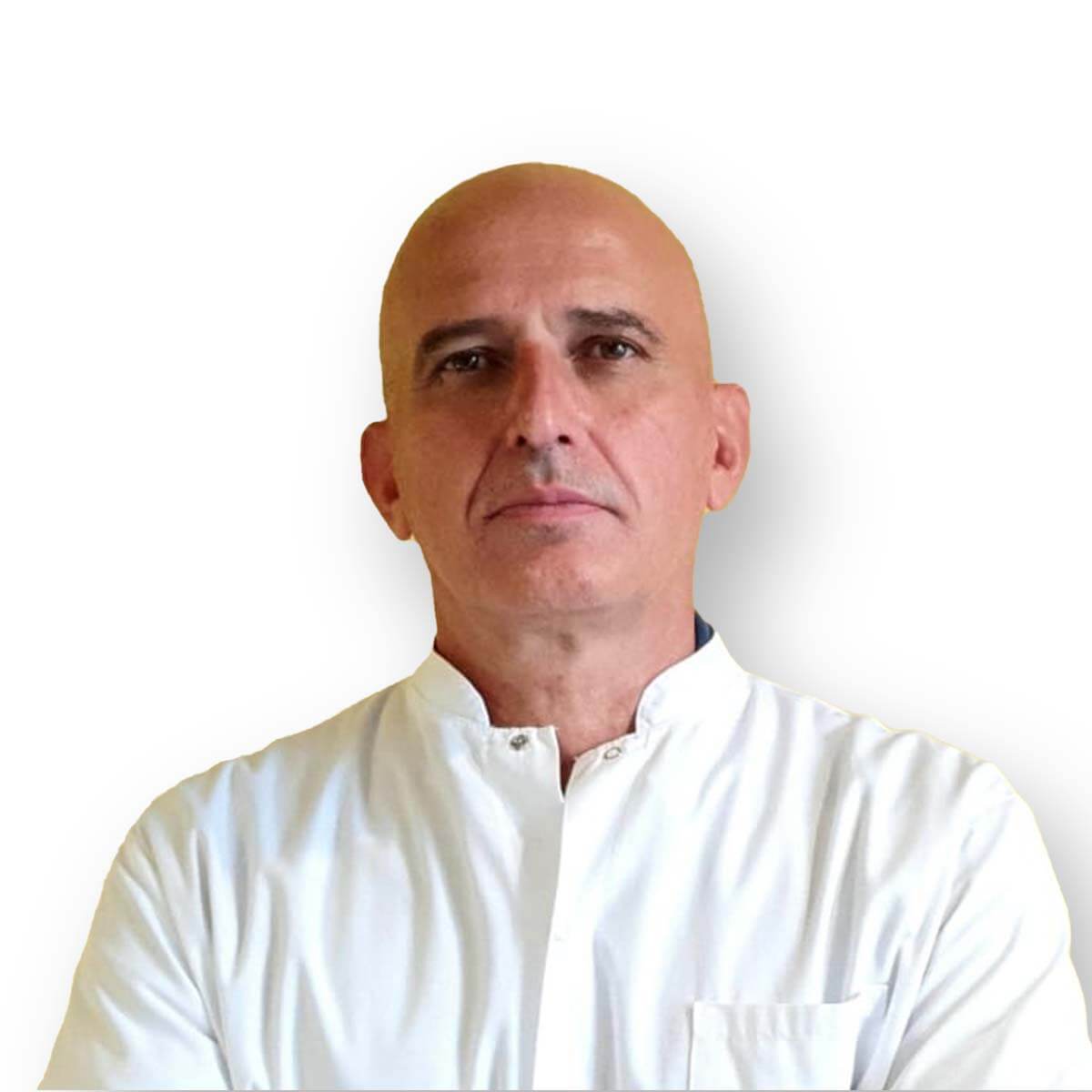
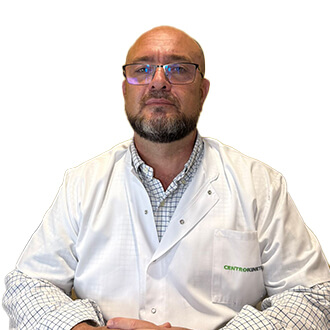
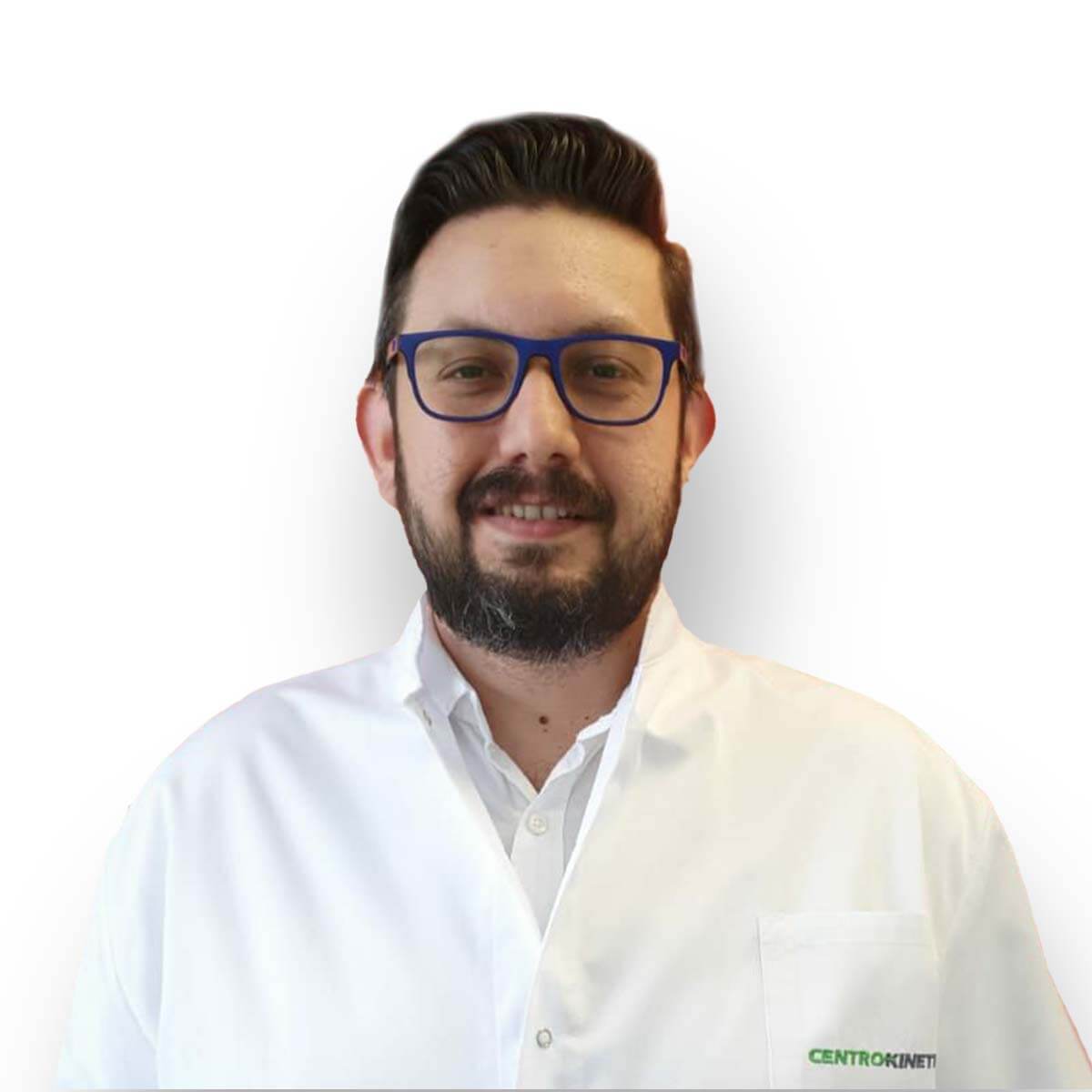
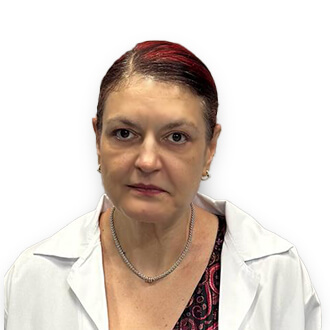
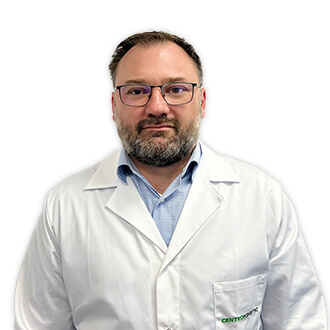
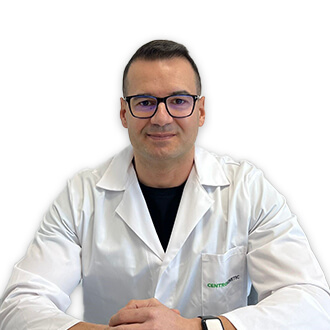
BUCHAREST TEAM

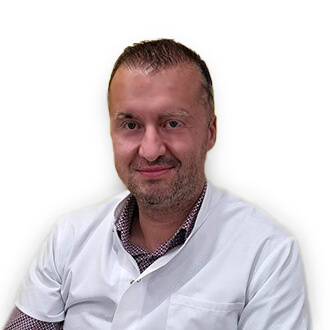
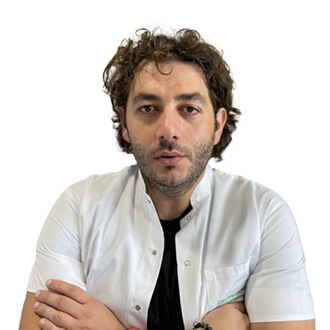




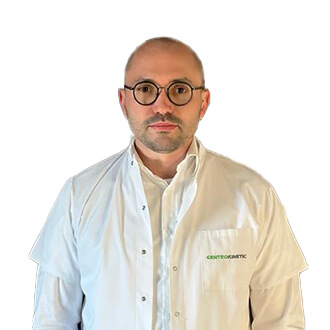
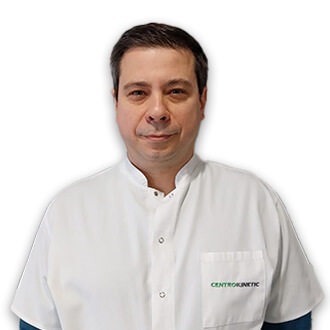














































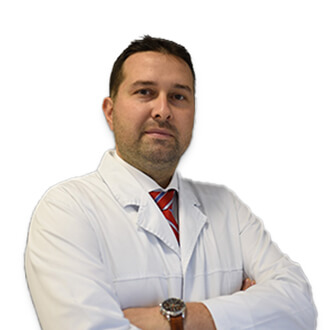
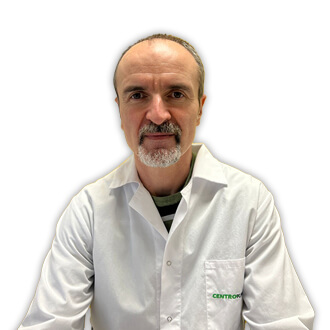
CLUJ NAPOCA TEAM





























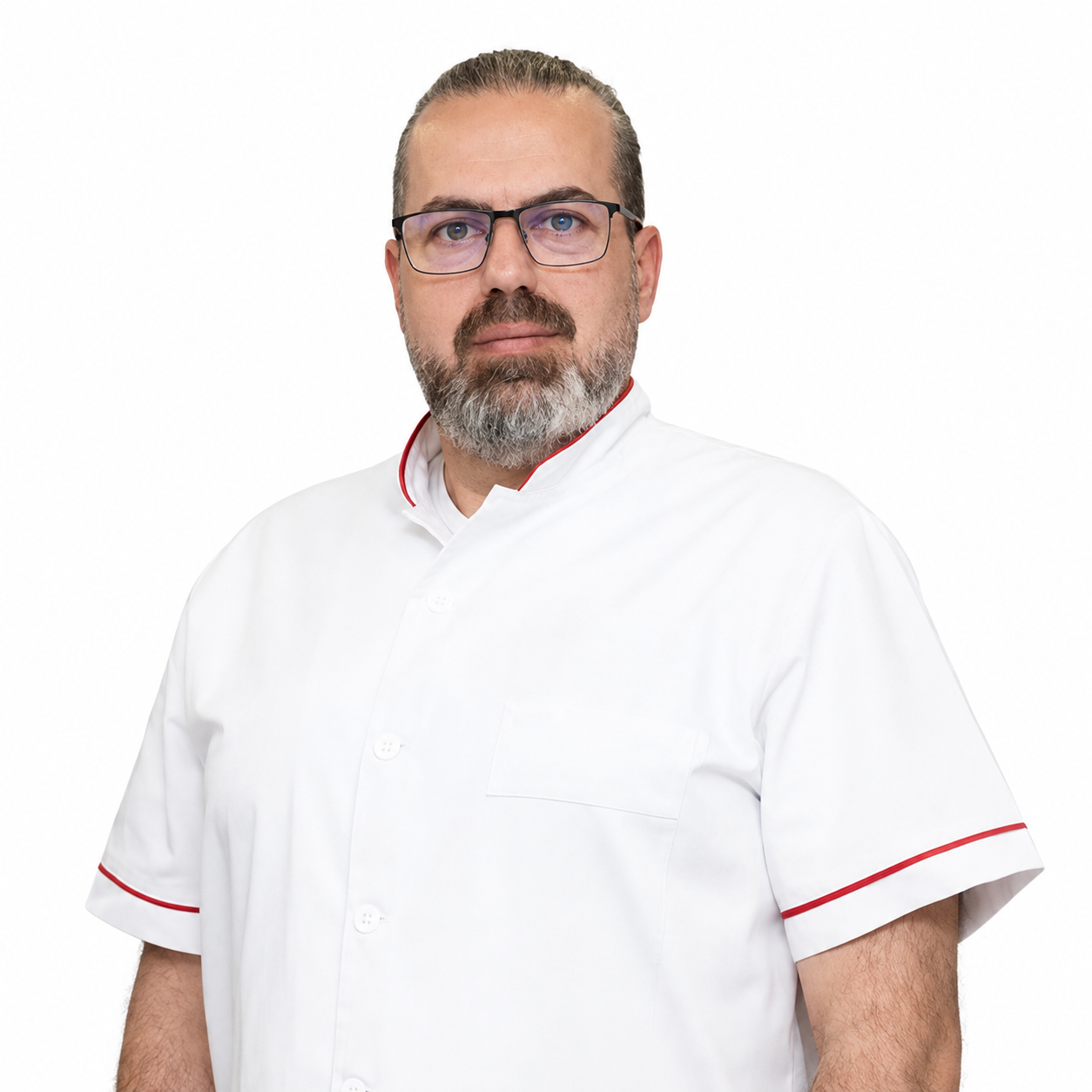
BRASOV TEAM














MAKE AN APPOINTMENT
FOR AN EXAMINATION
See here how you can make an appointment and the location of our clinics.
MAKE AN APPOINTMENT
Asiguratori privati




Parteneriate


CENTROKINETIC FLOREASCA
Bucharest, 1st District,
Mircea Eliade Street, no. 18,
Eliade Tower, Entrance A, Floor 3
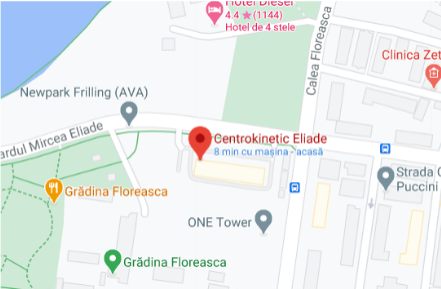
| Navigation | Explore 3D |
CENTROKINETIC Barbu Vacarescu
Bucharest, 2nd District,
Barbu Vacarescu Street, no. 102,
102 The Address, ground floor.
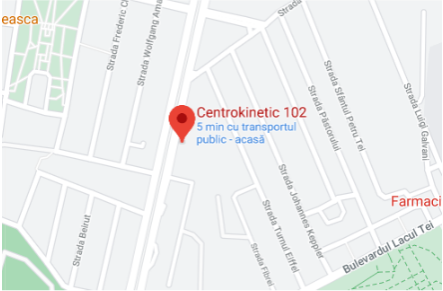
| Navigation | Explore 3D |
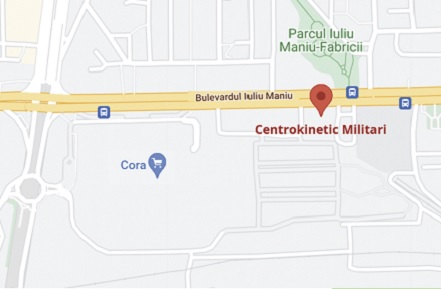
CENTROKINETIC MILITARI
Bucuresti, Sector 6,
Bld. Iuliu Maniu, nr. 15G,
Cladirea PBT, etaj 3.
| Navigation |
CENTROKINETIC CLUJ-NAPOCA
Cluj-Napoca,
Str. Intre Lacuri, nr.1
Intrarea este in spatele cladirii.
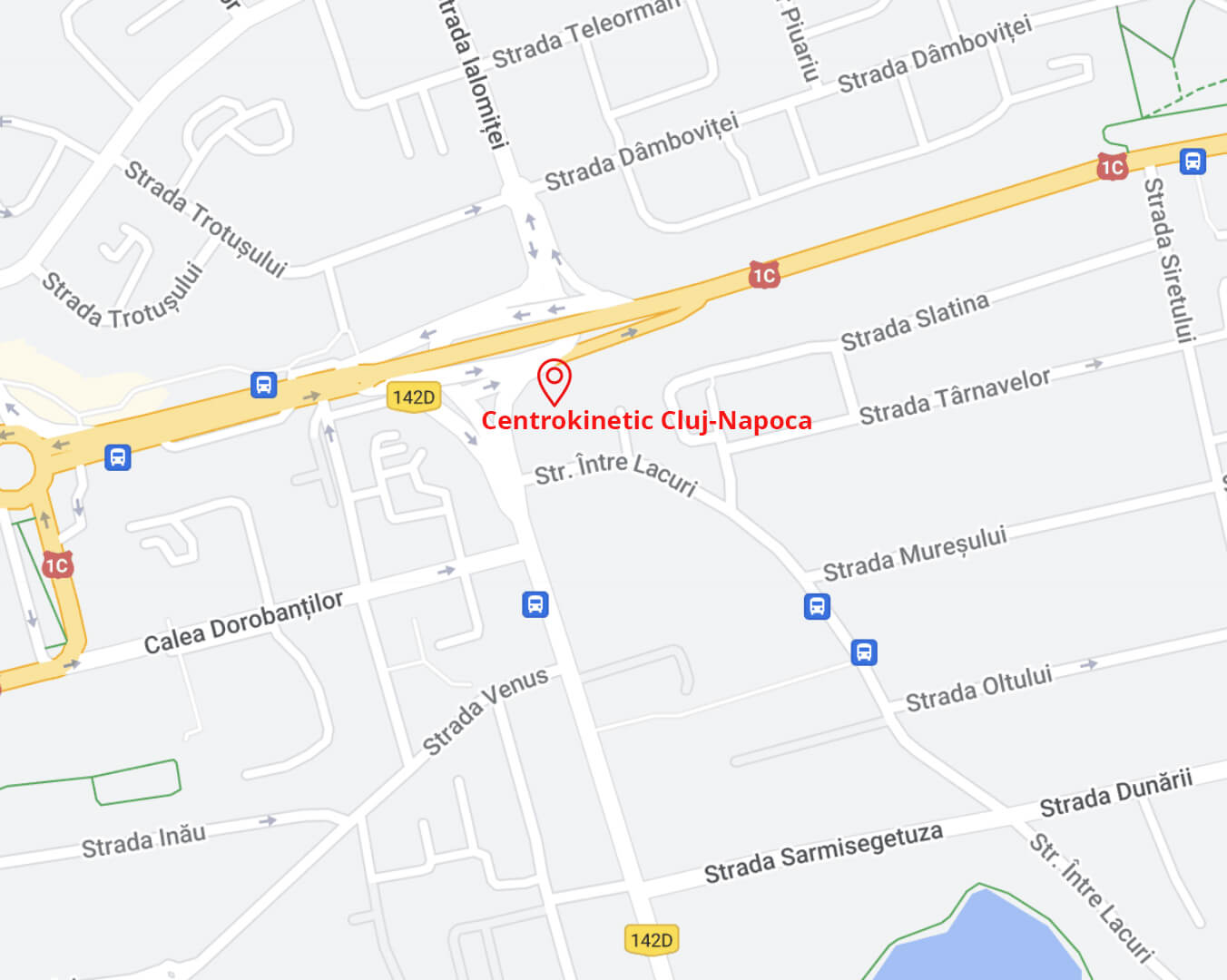
| Navigation |
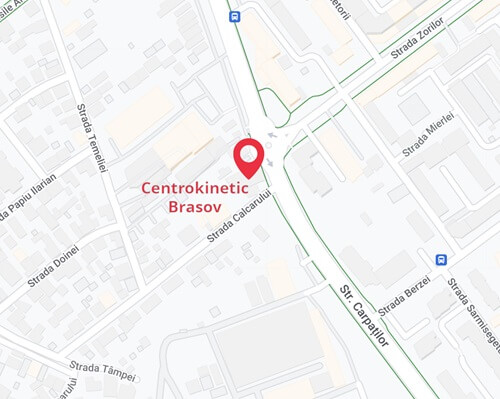
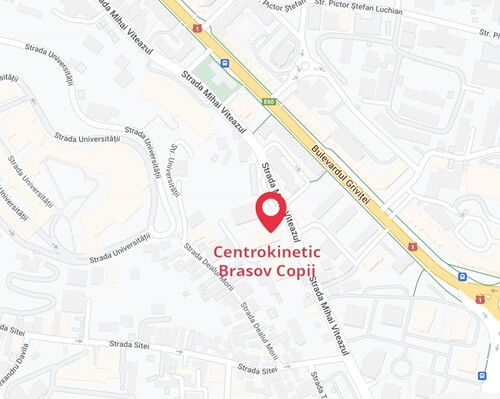
SOCRATES CLINIC TIMISOARA
Timisoara, Calea Martirilor 1989,
nr. 1.
Telefon: 0371 785 374.
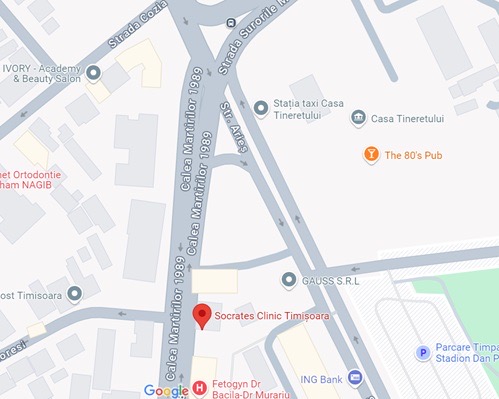
| Navigation |
CONTACT
Phone: 0319693
E-mail: programari@centrokinetic.ro
Operating hours:
Monday – Friday: 07:00 – 21:00
Saturday: 09:00 – 14:00
Sunday: closed.
MAKE AN APPOINTMENT